
Understanding Choking: The Basics
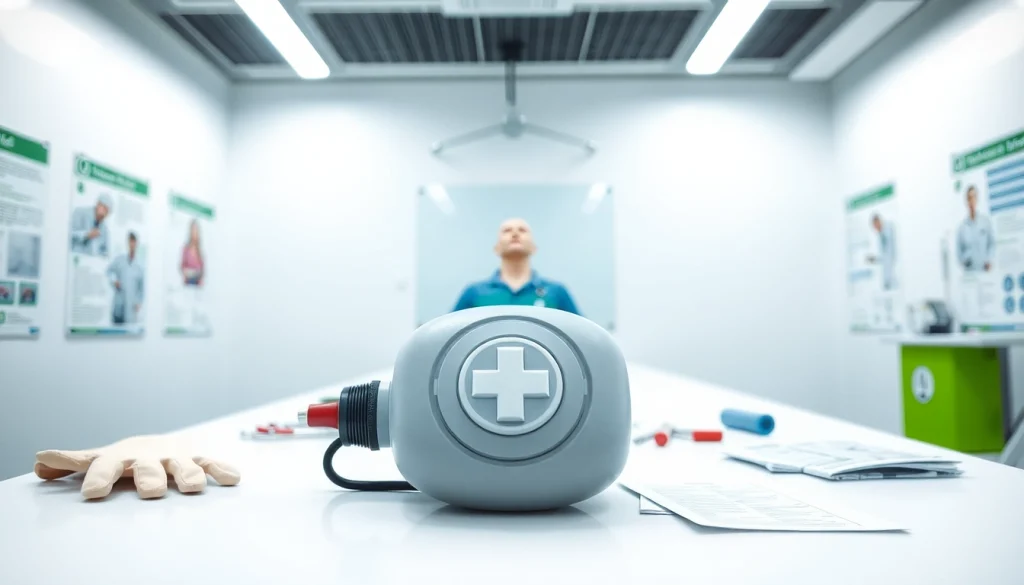
Choking is a medical emergency that can occur when an object becomes lodged in a person’s throat or airway, obstructing their ability to breathe. This can happen due to various reasons, including eating too quickly, not chewing food properly, or even ingesting small objects. Understanding choking is crucial, especially in homes and public spaces, to ensure timely intervention when faced with such a situation. It is vital to have access to a choking rescue device during emergencies.
What Happens During a Choking Incident?
When someone is choking, the airway is obstructed, preventing air from entering the lungs. The body will instinctively react to the lack of airflow; first, the individual may experience distress, panic, or coughing. If the blockage is severe, the person will struggle to breathe, and their skin may turn blue due to lack of oxygen, a condition known as cyanosis. Understanding the physiological changes that occur during choking can help in recognizing critical moments for intervention.
Signs and Symptoms of Choking
Recognizing the signs of choking is crucial for prompt action. Common indicators include:
- Inability to speak or cry
- Hands clasped around the throat (universal choking sign)
- Panic, distress, or anxiety
- Bluish coloration of the lips or skin
- Loss of consciousness in severe cases
If you notice these symptoms, immediate action is imperative.
Immediate Actions to Take
When faced with a choking incident, the first instinct should be to help. If the person can cough or talk, encourage them to continue coughing. If they cannot, it may be necessary to perform abdominal thrusts, commonly known as the Heimlich maneuver, or to use a choking rescue device. It’s essential to remain calm and act swiftly, as every second counts in saving a person’s life.
The Role of the Choking Rescue Device
A choking rescue device is specifically designed to assist in clearing an obstructed airway. Such devices can be particularly effective in cases where traditional methods may not be possible or have proven inadequate. It plays a significant role in enhancing safety, especially in crowded or high-traffic areas.
How Does the Choking Rescue Device Work?
Choking rescue devices work through various methods depending on their design. Common mechanisms include:
- Vacuum suction: These devices create a vacuum pressure that can dislodge the obstructing object.
- Positive pressure: Some devices use positive airflow to expel the blockage.
- Physical removal tools: Certain devices are designed to physically grasp and pull out foreign objects from the throat.
The effectiveness of these devices often relies on proper training, emphasizing the importance of understanding how to use them effectively.
Types of Choking Rescue Devices
Choking rescue devices come in various forms, including:
- Manual suction devices: Typically used by first responders, these are compact and easy to operate.
- Emergency airway kits: These kits may contain both suction devices and other tools necessary for airway management.
- Automated rescue devices: Some advanced versions are designed for wider use and include sensors to detect obstructions.
Choosing the right device can make a significant difference in emergency situations.
When to Use a Choking Rescue Device
A choking rescue device should be used when:
- The individual is unable to breathe, speak, or cough
- Manual methods such as the Heimlich maneuver have not worked
- Professional medical assistance is on the way, but immediate action is required
Understanding the appropriate circumstances for using these devices can help reduce panic and lead to quicker resolutions in critical moments.
Techniques for Effective Use
Using a choking rescue device correctly is essential to ensure maximum effectiveness and avoid harm. Both knowledge and practice contribute to successful intervention.
Step-by-Step Guide to Using the Device
The steps to properly use a choking rescue device generally include:
- Assess the situation to confirm choking.
- Retrieve the device quickly but calmly.
- Follow the manufacturer’s instructions for setup and use.
- Administer the device as instructed, ensuring the victim’s comfort and safety.
- Continue monitoring the victim until professional help arrives.
These steps may vary depending on the specific device being used, so familiarity with the product is essential.
Common Mistakes to Avoid
There are several pitfalls to be mindful of when using a choking rescue device:
- Not checking the device functionality before an emergency arises.
- Ignoring proper training protocols.
- Using excessive force or not following device instructions, which could worsen the situation.
Being aware of these mistakes can help mitigate risks during actual emergencies.
Practicing with the Choking Rescue Device
Regular practice using the choking rescue device is crucial. Simulated emergency scenarios can enhance familiarity with the device and build confidence in its use. Many communities offer first aid courses that include training with choking rescue devices, allowing individuals to practice effectively.
Training and Certification
Proper training and certification are vital for anyone who might be exposed to choking incidents, from parents to professionals in public service. Knowledge not only empowers individuals but can also save lives.
Where to Get Trained on Choking Rescue Techniques
Numerous organizations provide training on choking rescue techniques, including:
- The American Red Cross
- Local health departments
- Community colleges offering first aid courses
Finding a course that aligns with your needs can ensure that you’re fully prepared for emergency situations.
Certification Programs for First Responders
Certification programs specifically designed for first responders often include comprehensive training on choking and the use of rescue devices. These programs typically offer in-depth knowledge, assessments, and ongoing education, ensuring that first responders are equipped for any emergency.
Importance of Continuing Education
The landscape of first aid is always evolving. New devices, techniques, and guidelines emerge regularly, making continuous education essential for those responsible for public safety. Stay informed about the latest advancements in choking rescue technologies and techniques to maintain competence and readiness.
Real-Life Scenarios and Case Studies
Examining real-life situations reinforces the importance of preparedness and highlights the effectiveness of choking rescue devices in critical moments.
Case Study: Successful Rescues with a Choking Rescue Device
Consider the instance of a busy restaurant where a customer began to choke on food. The staff, trained in emergency response, utilized a choking rescue device to successfully dislodge the obstruction, allowing the customer to breathe again. This case underscores the importance of having trained personnel and appropriate equipment on hand during such occurrences.
Analyzing Mistakes in Emergency Situations
Conversely, consider an incident where a caregiver employed incorrect techniques, leading to further complications for the choking victim. This analysis teaches valuable lessons about the importance of training and preparation in high-pressure situations.
Lessons Learned: Improving Choking Response
These real-life examples highlight the necessity of not just having choking rescue devices but also ensuring that individuals are well-prepared to use them correctly. Continuous assessment of emergency protocols and frequent training refreshers can lead to significant decreases in choking-related fatalities.