Creating the Perfect Workspace
In today’s rapidly evolving work environment, creating an effective workspace has become paramount for productivity and well-being. As remote work continues to gain traction, the emphasis on designing a functional and inspiring home office space is stronger than ever. From the right location to essential equipment, every detail contributes to your overall work experience. When exploring options, read more on our blog for comprehensive insights into crafting your ideal workspace.
Choosing the Right Location for Productivity
Location is a critical factor when designing a home office. Selecting a quiet area away from distractions, preferably with a door that can be closed, can significantly enhance focus and productivity. If space allows, choose a room with natural light, as exposure to daylight can improve mood and energy levels. If an entire room isn’t feasible, consider a designated nook or corner within your home. The key is to establish boundaries that mentally separate work from personal life.
Essential Furniture and Equipment for Comfort
Your home office setup must prioritize comfort. Invest in a quality ergonomic chair that supports your posture during long hours of work. A height-adjustable desk can also accommodate various working positions, promoting movement throughout the day. Essential tools like a good-quality monitor, keyboard, and mouse can further enhance your productivity. Additionally, consider storage solutions that keep your workspace organized and clutter-free.
Optimizing Lighting and Environment for Focus
A well-lit workspace can help you stay alert and focused. Natural light is ideal, but if that’s not possible, opt for adjustable, warm LED lighting that reduces eye strain. Incorporate lamps with different light intensities to suit various tasks. Furthermore, maintaining a comfortable temperature and ensuring proper air circulation can create a more conducive working environment.
Designing Your Home Office Aesthetics
While functionality is crucial, aesthetics also play a vital role in creating a motivating workspace. A visually appealing environment can stimulate creativity and engagement. By carefully selecting color schemes and incorporating personal touches, you can create a space that reflects your personality and inspires productivity.
Selecting Color Schemes That Inspire
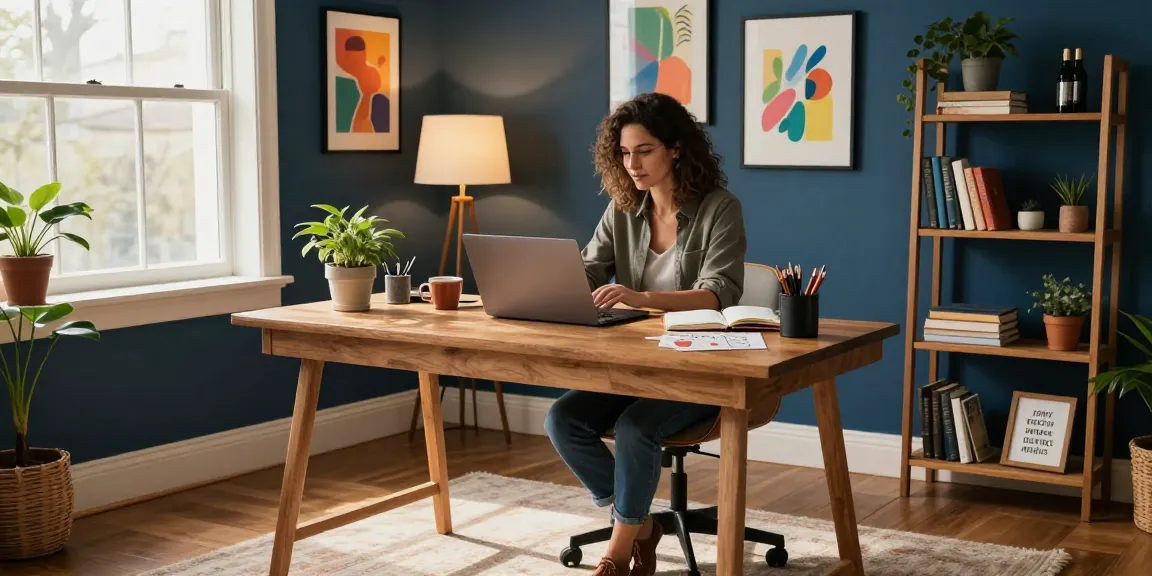
Colors can greatly influence mood and productivity. For example, blues and greens are commonly associated with calm and focus, while yellows can enhance energy and creativity. Choose a color palette that resonates with you and consider the psychological effects of each color. Incorporating accent colors through decor or office accessories can also add vibrancy to your workspace.
Incorporating Plants and Natural Elements
Bringing nature indoors can enhance your workspace’s aesthetic while promoting overall well-being. Indoor plants not only add a pop of color but also improve air quality and reduce stress levels. Consider plants that are low-maintenance and thrive in indoor conditions, like succulents or snake plants. You can also use natural materials like wood or stone in your furniture or decor to create a more organic feel.
Personalizing Your Space with Artwork
Art can serve as a source of inspiration and motivation. Surround yourself with artwork or motivational quotes that resonate with your personal values or professional goals. Whether it’s framed photographs, posters, or your creations, personalization can make your office feel uniquely yours and enhance your connection to the space.
Maximizing Functionality in Your Office
To ensure your home office meets your professional needs, focus on maximizing functionality. This entails smart storage solutions, effective technology integration, and employing time management strategies. A well-organized and efficient workspace can significantly boost productivity and job satisfaction.
Implementing Smart Storage Solutions
Storage is often a challenge in home offices. Implementing smart storage solutions can keep your workspace organized and efficient. Utilize vertical storage, such as shelves or wall-mounted organizers, to save desk space. Incorporate drawers or baskets to store supplies discreetly. A clutter-free environment fosters a clearer mind, allowing for better focus.
Integrating Technology for Efficiency
In today’s digital age, technology is integral to a successful home office. Ensure you have reliable internet service, and consider investing in hardware that enhances productivity, such as dual monitors for multitasking or noise-canceling headphones for concentration. Staying updated with software tools and applications can also streamline your workflow, making everything from project management to communication more efficient.
Time Management Techniques for Remote Work
Effective time management is essential in a remote work setting. Techniques like the Pomodoro Technique, which involves working in bursts followed by short breaks, can enhance concentration. Setting clear boundaries around work hours and leveraging productivity tools can help you maintain focus and avoid burnout. Regularly reviewing your productivity levels and adjusting your strategies accordingly can also lead to improved outcomes.
Health and Wellness in a Home Office
Creating a home office is not just about aesthetics and functionality; it’s also about prioritizing health and wellness. A healthy work environment is crucial for sustaining productivity and mental well-being. Focusing on ergonomics, regular breaks, and a balanced work-life environment can significantly enhance your overall work experience.
Setting Up an Ergonomic Workspace
Investing in ergonomic furniture and equipment is vital for long-term health. Your desk and chair should allow you to maintain a neutral posture, with your feet flat on the ground and your arms at a 90-degree angle. Consider using a footrest or adjustable chair to achieve the perfect fit. Additionally, position your monitor at eye level to prevent neck strain and ensure comfortable viewing.
Taking Breaks: Importance and Strategies
Regular breaks are essential for maintaining productivity and mental clarity. Utilize techniques such as time-blocking to schedule breaks throughout your workday. Short walks, stretching exercises, or even meditation can help recharge your mind and body. Implementing a structured break routine can reduce the risk of burnout and sustain focus throughout your work hours.
Creating a Balanced Work-Life Environment
Balancing work and personal life while working from home can be challenging. Establishing boundaries between work hours and personal time is critical. Communicating your availability to family members or roommates can prevent interruptions during work hours. Creating a routine that includes time for relaxation and personal activities can help foster a healthy work-life balance.
Future Trends in Home Office Design
As we look to the future, home office design will continue to evolve, influenced by technology and cultural shifts. Being aware of these trends can help you stay ahead and ensure your workspace remains effective and inspiring.
Predictions for Home Office Technology in 2026
By 2026, we can expect significant advancements in home office technology. Innovations such as virtual reality meeting spaces and enhanced telepresence capabilities could become mainstream, allowing for more immersive collaborations. Smart home integration will likely also streamline office tasks, creating a seamless working environment that promotes productivity.
Eco-Friendly Practices and Sustainability
In response to growing environmental concerns, eco-friendly practices will gain prominence in home office design. Sustainable materials and energy-efficient appliances will become the norm. Incorporating principles of biophilic design—connecting to nature in the workplace—will not only create healthier environments but also improve overall workplace satisfaction.
Adapting to Remote Work Culture Changes
With the rise of remote work, organizations are rethinking their approaches to productivity and employee well-being. Companies will increasingly focus on creating flexible work policies that emphasize results rather than hours logged. This cultural shift will empower employees to design their own work environments, leading to greater satisfaction and enhanced performance.
What are the best color schemes for a home office?
When designing a home office, it’s essential to select color schemes that uplift and inspire you. Blues, greens, and soft yellows are popular choices that promote calmness and creativity. Consider your personal preferences and the type of work you do to determine the most effective palette for your workspace.
How can I make my home office more ergonomic?
To create an ergonomic home office, invest in adjustable furniture that supports a neutral posture. Ensure your monitor is at eye level, use a chair that provides adequate lumbar support, and incorporate accessories like footrests or keyboard trays to enhance comfort during long working hours.
What technology is essential for a home office in 2026?
In 2026, essential home office technology will likely include high-speed internet, voice-activated assistants, and dual monitors for multitasking. Virtual collaboration tools and productivity apps will enhance remote work efficiency, while ergonomic peripherals will support health and comfort.
Can plants really improve my productivity at work?
Yes, incorporating plants into your workspace can significantly boost productivity. Studies show that being around greenery can enhance mood, reduce stress, and increase focus. Choose low-maintenance plants that thrive indoors to enjoy the benefits without added hassle.
What are some tips for balancing work and home life?
To achieve balance between work and home life, set clear boundaries regarding your work hours and communicate these to others. Implement a structured routine that includes scheduled breaks and personal time. Prioritizing self-care and maintaining a dedicated workspace can further enhance this balance.