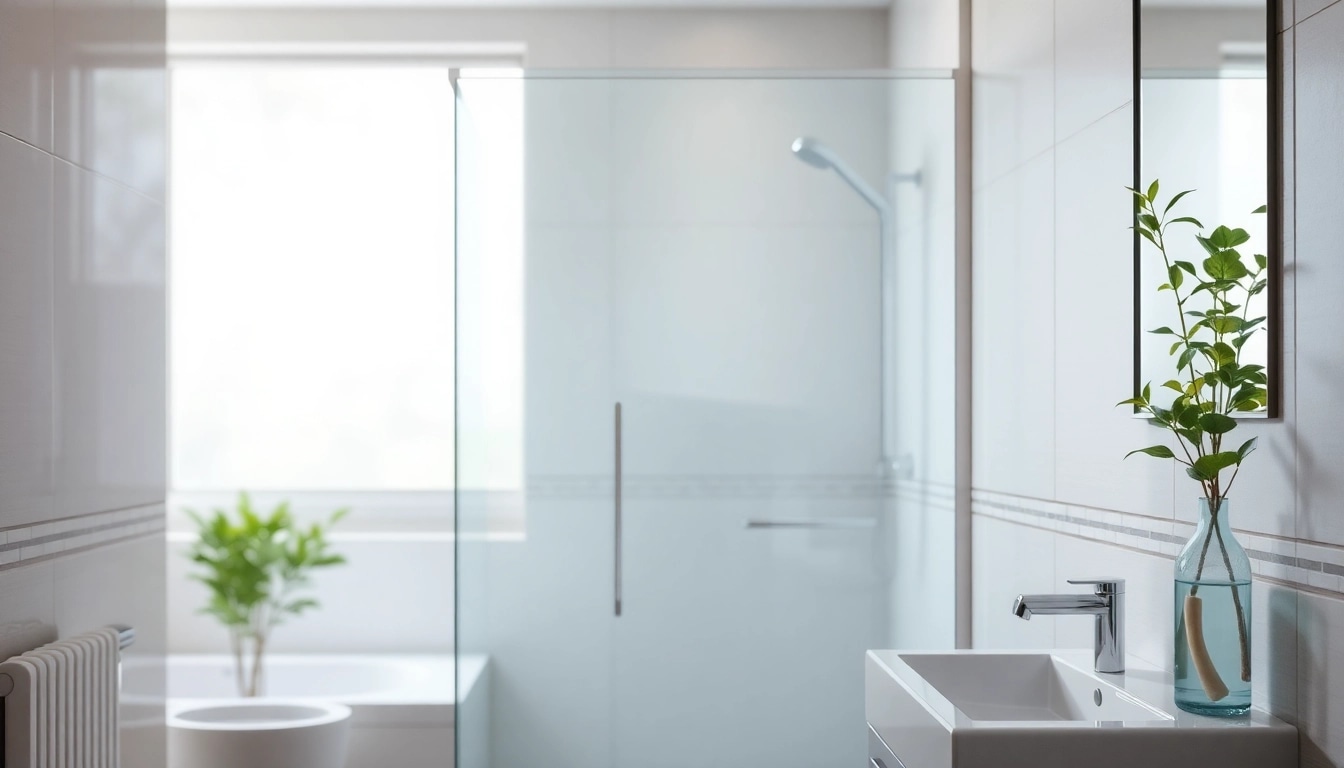
Understanding Shower Screen Door Types
When renovating or designing your bathroom, one of the key elements to consider is the shower screen door. The type of door you choose not only affects the functionality of your shower but also influences the overall aesthetics of your space. This section delves into the various types of shower screen doors available, helping you make an informed decision tailored to your needs.
Frameless vs. Framed Shower Screen Door
One of the biggest decisions you'll face is whether to opt for a frameless or framed shower screen door. Each option has its unique attributes that cater to different bathroom styles and practical requirements.
- Frameless Shower Screen Doors: These doors are manufactured without a metal frame, creating a sleek and modern look. They are generally made of thicker glass, providing both safety and a luxurious appearance. The absence of framing allows for a seamless transition from your bathroom to the shower space, making the area look more spacious. However, frameless doors can be more expensive and may require professional installation.
- Framed Shower Screen Doors: These are enclosed in a metal frame, offering durability and support. They are typically more affordable than frameless options and can come in a variety of finishes and materials. While they might not provide the same visual elegance as frameless doors, framed doors can be easier to install and maintain, making them suitable for budget-conscious homeowners.
Bi-fold vs. Sliding Shower Screen Door
Another important choice is between bi-fold and sliding shower screen doors. Each style offers distinct advantages based on your bathroom layout and personal preferences.
- Bi-fold Shower Screen Doors: These doors open by folding inwards, making them an excellent choice for compact spaces. Bi-fold doors allow for full accessibility within the shower area while utilizing minimal space in the bathroom. This option seals well against water leakage when properly installed, but the hinges can require more maintenance over time.
- Sliding Shower Screen Doors: These doors operate on a track, gliding smoothly to open and close. Sliding doors are great for larger shower enclosures and work well in bathrooms where swinging doors might hit fixtures or cabinetry. They save floor space and can feature a wide range of designs. However, they may require regular cleaning of the tracks to avoid buildup and ensure smooth operation.
Choosing the Right Glass Thickness
Glass thickness is a critical factor when selecting a shower screen door. Generally, the thickness can range from 4mm to 10mm or more, each offering different durability and aesthetic benefits.
- 4mm to 6mm: This thickness is often seen in framed doors and is suitable for less intensive use. While these doors are lighter and less expensive, they may be less resistant to shattering compared to thicker options.
- 8mm to 10mm: These thicker glasses are commonly used for frameless designs, providing greater safety and a premium feel. They are incredibly durable, resist breaking more effectively, and create a clean, minimalist look that enhances modern bathroom designs.
Benefits of Installing a Shower Screen Door
Installing a shower screen door offers numerous advantages that extend beyond mere functionality. Consider the following benefits when planning your bathroom renovation.
Enhanced Bathroom Aesthetics
One of the most compelling reasons to install a shower screen door is the aesthetic upgrade it provides to your bathroom. Unlike traditional shower curtains, which can look dated and are often difficult to keep clean, shower screen doors lend a contemporary touch to your space. The clear or frosted glass allows light to flow freely, creating an open and airy feel that can make even small bathrooms appear larger.
Improved Functionality
Shower screen doors are designed to contain water within the shower area, preventing spills and splashes that can create slippery floors and require constant cleaning. With a properly installed door, you'll enjoy a more efficient use of water and reduced moisture buildup, which can lead to mold growth. This functionality not only keeps your bathroom safer but also saves you time on cleaning and maintenance.
Easy Maintenance and Cleaning
When compared to shower curtains, which often harbor mold and mildew, shower screen doors are significantly simpler to maintain. Most doors are made from tempered glass that can be wiped down quickly with a squeegee after each use to prevent soap scum buildup. Additionally, many modern glass treatments help repel water and prevent stains, making occasional deep cleaning less of a chore.
Measuring for Your Shower Screen Door
Measuring accurately for your new shower screen door is crucial to ensure a perfect fit and avoid unnecessary returns. This section provides essential guidance on achieving the right measurements.
Essential Tools for Accurate Measurement
To measure effectively, you'll need a few tools:
- Measuring tape for precise distance measurement
- Pencil to mark your measurements
- Level to ensure accuracy, especially for hinged doors
- Note pad to keep track of your measurements
Common Measurement Mistakes to Avoid
Ensure your installation goes smoothly by avoiding these common errors:
- Failing to measure both height and width, as these can differ significantly
- Not accounting for tile thickness, which can affect the measurement
- Neglecting to consider the type of door and its opening mechanism when measuring
Understanding Shower Enclosure Sizes
Before purchasing your shower screen door, familiarize yourself with common shower enclosure sizes. Standard sizes vary, but popular dimensions include:
- 900mm x 900mm for square enclosures
- 1700mm for rectangular showers
- Various custom sizes for unique spaces
Consult manufacturer specifications for their recommended door sizes to confirm you’re within these dimensions.
Installation Tips for Your Shower Screen Door
Once you've chosen the right shower screen door, the next step is installing it. Here are some tips to ensure a successful installation.
DIY Installation vs. Professional Help
While installing a shower screen door can be a DIY project, you should assess your comfort level with home improvement tasks. If you are skilled and have the right tools, a DIY installation can save money. However, for those lacking experience or with complex layouts, hiring a professional may be the best option to ensure proper fitting and sealing.
Essential Tools for Installation
Whether you choose DIY or hire a professional, certain tools are vital for a successful installation:
- Drill and drill bits for creating mounting holes
- Stud finder to locate secure areas for mounting
- Silicone sealant for waterproofing edges
- Rubber mallet for fitting brackets snugly
Safety Precautions During Installation
Always prioritize safety when installing your shower screen door. Here are some key precautions:
- Wear safety goggles and gloves to protect against glass shards
- Ensure the area is clear and free of trip hazards
- Have a second person available to help with larger panels
- Use a ladder or step stool safely if needed to reach higher installations
Frequently Asked Questions About Shower Screen Doors
What materials are used in shower screen doors?
Shower screen doors are primarily made from tempered glass, which offers safety and durability. They often come framed in aluminum or are frameless for a modern design.
How can I prevent water leakage?
To prevent water leakage, ensure proper installation, use high-quality seals, and maintain the door regularly to avoid wear and tear that can cause gaps.
What are common maintenance tips for shower screen doors?
Regular cleaning with a non-abrasive cleaner, using a squeegee after each shower, and checking seals for wear will help maintain your shower screen door's appearance and functionality.
Can I customize my shower screen door?
Many manufacturers offer customization options for size, glass thickness, and finishes, allowing you to create a door that fits your specific needs and decor style.
How to choose the right size shower screen door?
Measure your shower enclosure carefully, accounting for height and width. Consider standard sizes unless your space requires a custom solution.