The Benefits of Ceramic Window Tint
Ceramic window tint is increasingly gaining popularity among vehicle owners looking to enhance comfort and protection. Unlike traditional window films, ceramic tint employs advanced technology to provide a wider range of benefits. From heat rejection to UV protection, installing ceramic window tint can significantly improve your driving experience. In this section, we will explore the myriad of advantages that come with this top-tier solution.
Understanding Heat Rejection Properties
One of the standout features of ceramic window tint is its exceptional heat rejection capabilities. The tint acts as a barrier, reflecting solar heat rather than absorbing it, which can keep your vehicle cooler during hot weather. Studies have shown that ceramic tints can block up to 99% of UV rays and a substantial percentage of heat, allowing for a more comfortable environment inside your car. This is not just a matter of comfort; excess heat can lead to increased strain on your vehicle's air conditioning system, resulting in higher fuel consumption and wear and tear.
UV Protection and Skin Safety
In addition to heat rejection, ceramic window tint provides outstanding UV protection. Prolonged exposure to UV rays has been linked to skin cancer, premature aging, and other skin issues. Ceramic film can block harmful UV radiation effectively, offering you and your passengers a safer environment. In fact, it can filter out up to 99% of harmful rays, making it an essential component for those who spend a significant amount of time in their vehicles.
Enhanced Privacy and Aesthetics
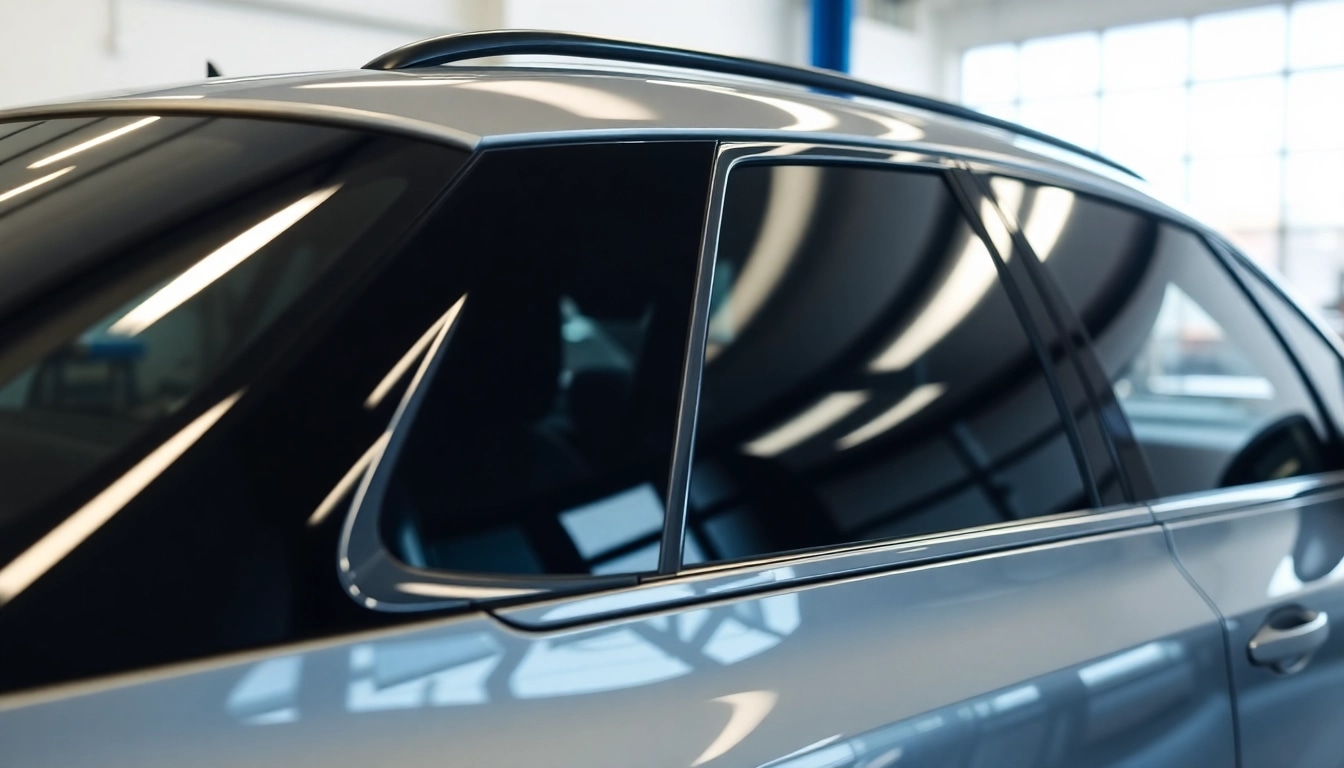
Ceramic window tint is not only functional but also enhances the aesthetic appeal of your vehicle. It provides increased privacy, which is particularly appealing for families and those who often travel with valuables. By reducing glare and enhancing the look of your car, ceramic tint elevates your vehicle's overall appearance while keeping everything securely out of sight.
Choosing the Right Ceramic Window Tint
When selecting ceramic window tint, understanding your options and requirements is crucial. This involves considering various factors that will influence your choice, budget, and final results.
Factors to Consider: VLT and IR Rejection
Visible Light Transmission (VLT) and Infrared (IR) rejection are two essential factors to consider when selecting ceramic window tint. VLT measures how much visible light passes through the film and your window, affecting the overall brightness inside the vehicle. Lower VLT percentages mean darker tints, which can be beneficial for reducing glare but may not be suitable for driving at night.
On the other hand, IR rejection refers to the tint’s ability to block infrared rays, which are responsible for transferring heat. Higher IR rejection percentages mean a cooler interior and reduced reliance on air conditioning. Therefore, consider these factors based on your driving habits and local climate.
Comparing Different Tints: What to Look For
Before making a purchase, compare different ceramic tints based on their performance, specifications, and warranties. High-quality ceramic tints will typically offer better heat and UV rejection, as well as a longer lifespan. Do not hesitate to ask about product certifications, which can provide insight into the reliability and long-term effectiveness of the film.
Professional Installation vs. DIY
While DIY installation of ceramic window tint may seem appealing for budget-conscious consumers, professional installation is often recommended. Trained technicians have the skills and tools needed to ensure that the tint adheres properly and looks flawless. Improper application can lead to bubbles, peeling, or distorted views, making your investment potentially less effective. When considering your options, weigh the pros and cons of each method to determine the best choice for your situation.
The Installation Process: Step-by-Step Guide
Installing ceramic window tint, whether you opt for DIY or professional help, involves several steps that must be followed carefully. In this section, we will break down the process of installation for you.
Preparing Your Vehicle for Installation
Preparation is key to a successful installation. Ensure your vehicle's windows are thoroughly cleaned to remove any dirt, dust, or residues. Inspect the glass for imperfections that might affect the tint’s adherence. If you are using a DIY kit, read the instructions carefully before starting the process.
Tools and Materials Needed
For those opting for a DIY installation, gather the following tools and materials: a utility knife, a squeegee, a heat gun, a spray bottle with soapy water, and, of course, your ceramic window tint roll. A cutting mat can also help you make precise cuts without damaging your vehicle’s surfaces.
Tips for Flawless Application
To ensure a professional-looking installation, follow these tips:
- Work in a shaded or indoor area to avoid direct sunlight, which can generate heat and cause the film to dry too quickly.
- Use the soapy water spray liberally, as this will allow you to reposition the film easily before applying it firmly.
- Start with the rear window as it is typically the most challenging. Follow up with the sides and front to create a sequential flow.
By ensuring that you follow these steps, you can significantly improve your chances of achieving a flawless application.
Maintenance of Ceramic Window Tint
Once your ceramic window tint is installed, maintaining it is essential for longevity and performance. Proper care will help preserve the clarity and function of the film, ensuring you get the most out of your investment.
Cleaning Techniques to Preserve Tint Quality
When cleaning tinted windows, avoid using ammonia-based cleaners, as these damage the tint. Instead, use a gentle soap solution and a microfiber cloth to gently clean the surface. Additionally, try to avoid excessive scrubbing or using abrasive materials that could scratch or damage the tint.
Common Issues and Solutions
Common issues associated with ceramic window tint may include bubbling, peeling, or scratches. Bubbles can often be eliminated by applying pressure with a squeegee, while peeling may require reapplication if it occurs shortly after installation. For scratches, touch-up kits may be available, or seeking professional advice is recommended to avoid further damage.
When to Seek Professional Help
If you experience persistent issues with your ceramic window tint or if the tint has begun to degrade significantly, it might be time to consult a professional. Experts can evaluate the condition of the tint and recommend suitable solutions, whether they be repairs or updates to a more effective product.
FAQs about Ceramic Window Tint
What is ceramic window tint?
Ceramic window tint is a type of window film that uses ceramic particles to provide superior heat and UV protection compared to non-ceramic tints.
How long does ceramic window tint last?
When properly installed and maintained, ceramic window tint can last anywhere from 10 to 15 years, making it a worthwhile investment.
Is ceramic window tint worth the investment?
Yes, ceramic window tint is often considered worth the investment due to its long-lasting durability, excellent heat rejection, and UV protection features.
Can I remove ceramic window tint?
Yes, ceramic window tint can be removed, although it is advisable to seek professional help to ensure the process is done correctly without damaging the glass.
Does ceramic window tint fade over time?
High-quality ceramic window tints are designed to resist fading over time, offering consistent performance throughout their lifespan.