Understanding the Basics of Fly Fishing Bags
What is a Fly Fishing Bag?
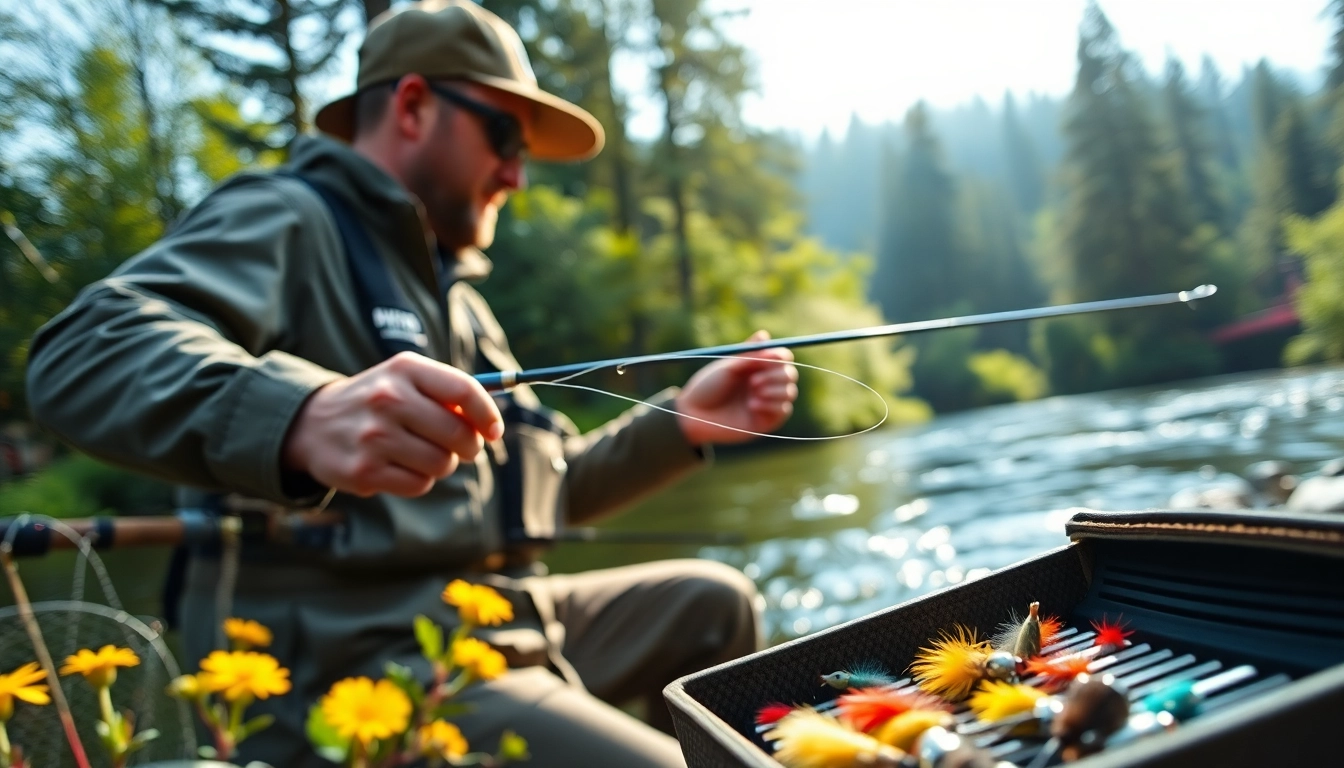
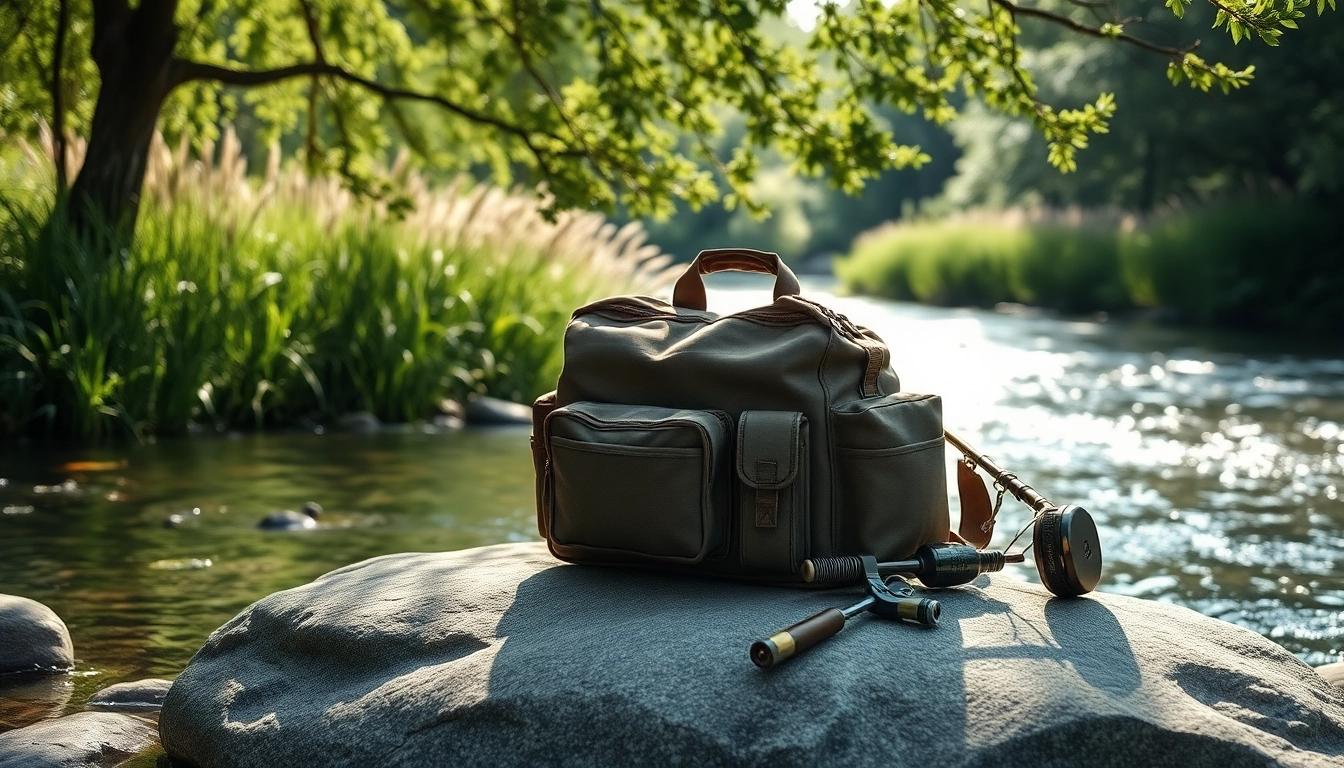
A fly fishing bag is an essential piece of gear designed specifically for holding and organizing all the necessary equipment a fly fisherman needs during their fishing endeavors. Unlike generic bags, fly fishing bags are tailored to meet the unique demands of the sport, providing specialized storage options for rods, reels, lines, flies, and accessories. They often feature waterproof materials and compartments that allow an angler to quickly access items without rummaging through clutter, making them an invaluable addition to any fishing outing. Whether you're a seasoned pro or a beginner, having the right fly fishing bag can streamline your experience and enhance your time on the water.
Key Features to Look For
When considering a fly fishing bag, several key features can significantly impact your fishing experience. Here are some crucial aspects to pay attention to:
- Water Resistance: Choose a bag made from water-resistant materials to protect your gear from unexpected splashes or rain.
- Storage Compartments: Multiple pockets and compartments help to organize your various tools and tackle, keeping everything easy to access.
- Comfortable Straps: Look for padded, adjustable shoulder straps or back packs that reduce fatigue while allowing for movement as you navigate through different terrains.
- Durability: Opt for bags constructed from robust materials that can withstand the wear and tear associated with outdoor environments.
- Size and Weight: Consider how much you plan to carry. A manageable size ensures that you can transport your fishing gear with ease.
Types of Fly Fishing Bags
There are several types of fly fishing bags available, each catering to different styles and preferences:
- Backpacks: Ideal for anglers who need to hike long distances to their fishing spots, backpacks provide ample storage space and hands-free mobility.
- Chest Packs: These bags are worn at the front and are perfect for quick access to essentials, making them popular among wade fishermen.
- Tackle Bags: Designed with numerous compartments specifically for flies, leaders, and tackle, these bags help keep everything neatly organized.
- Shoulder Bags: Versatile and easy to carry, shoulder bags are ideal for short outings and allow quick access to tools while fishing.
Benefits of Using a Specialized Fly Fishing Bag
Organizing Your Gear Effectively
One of the most significant advantages of a specialized fly fishing bag is the ability to organize your gear efficiently. These bags come with specifically designed compartments and pockets that enable you to store your rods, reels, flies, and other accessories systematically. This organizational feature not only saves you time as you prepare for your fishing trip but also reduces the frustration of searching through a disordered bag for an essential item.
Enhancing Your Fishing Experience
An organized tackle setup contributes to a more enjoyable fishing experience. When your equipment is easily accessible, you can focus more on fishing rather than fumbling through your bag, which can lead to missed opportunities. Additionally, having a well-designed bag often includes features that improve comfort, such as adjustable padded straps, allowing for better mobility while traversing challenging terrains.
Durability and Protection from Elements
Fly fishing bags are constructed to withstand the elements, featuring water-resistant materials and robust stitching that enhance durability. This protection is critical when fishing in various environments where moisture and rough handling can cause extensive damage to your gear. Investing in a high-quality fly fishing bag means your equipment remains secure and dry, giving you peace of mind throughout your fishing adventure.
How to Choose the Right Fly Fishing Bag
Assessing Your Fishing Style
Choosing the right fly fishing bag starts with understanding your unique fishing style. Think about the types of environments you fish in (river, lake, or saltwater), how long your sessions typically last, and what equipment you commonly carry. Each type of fishing necessitates different gear, which will in turn dictate the most suitable bag for your needs.
Matching the Bag to Your Gear
Your bag should be tailored to the type and amount of gear you want to carry. If you often carry multiple rods, a larger backpack or tackle bag may be ideal. Conversely, if you prefer a minimalist setup, a smaller chest pack or shoulder bag may suffice. Also, consider the bag's compartments and whether they offer enough space and protection for your specific items, such as specialized compartments for tackle and flies.
Budget Considerations for Quality Bags
When shopping for a fly fishing bag, it's essential to strike a balance between quality and budget. Low-cost options may seem appealing but can lack the durability and specialized features of higher-priced bags. Conversely, investing in a quality bag can save you money in the long run, ensuring that you don't have to replace it frequently. Set a budget that allows for quality while considering how much you're willing to invest in your fishing adventures.
Top Brands and Models of Fly Fishing Bags
Comparative Review of Popular Choices
As you navigate the myriad of choices available in the market, certain brands and models stand out due to their reputation for quality, functionality, and customer satisfaction. Here are a few of the noteworthy brands:
- Orvis: Known for their premium quality and diverse range of fly fishing bags, Orvis offers options suitable for everyone from casual anglers to serious enthusiasts.
- Simms: Simms bags are engineered for durability and functionality, featuring waterproof materials and ergonomic designs that enhance comfort and accessibility.
- Fishpond: Eco-friendly materials and a strong focus on sustainability make Fishpond a favorite among environmentally conscious anglers, while still providing excellent bag options.
- Cabela's: Offers a wide range of bags that balance quality and affordability, catering to beginner and intermediate levels.
User Testimonials and Experiences
Understanding the experiences of other anglers can provide valuable insights when selecting a fly fishing bag. User testimonials often highlight the practicality of specific models, detailing real-life usage scenarios, durability over time, and how well the bags protect their gear. These reviews can help inform potential buyers about both the strengths and weaknesses of a bag before making a purchase decision.
Finding the Best Deals Online
Many online retailers offer competitive pricing on fly fishing bags, often featuring seasonal sales, discount offers, or bundled deals. Shopping around can help you find the best price but pay attention to the bag's warranty and return policies as well. Investing in a quality bag, even if it costs a bit more upfront, can offer better long-term value, enabling you to have an enjoyable fishing experience for years to come.
Maintenance Tips for Longevity of Fly Fishing Bags
Cleaning and Care Procedures
Proper maintenance can significantly extend the lifespan of your fly fishing bag. After each trip, take the time to clean your bag—remove any debris or dirt, and clean the exterior with a damp cloth. For tougher stains, use a mild detergent or specialized cleaning solution recommended for the material of your bag. Ensure that all compartments are emptied and dried properly to prevent mold or mildew.
Storage Recommendations
When not in use, store your fly fishing bag in a cool, dry location away from direct sunlight to prevent fading and material degradation. Avoid overloading the bag during storage as this can compromise its shape and integrity, making it less effective when you return to the water.
When to Replace Your Bag
Over time, even the most durable fly fishing bags will show signs of wear. When assessing whether it’s time to replace your bag, consider the condition of zippers, straps, and compartments. If any major components are damaged beyond repair or if the bag no longer provides adequate protection for your gear, it’s time to invest in a replacement. Regularly reassessing your equipment allows you to continually improve your fishing experience and stay organized on the water.