Understanding Structural Steel Welding
Definition and Overview of Structural Steel Welding
Structural steel welding is a crucial process within the construction and metal manufacturing industries. It involves the joining of steel components through the application of heat and pressure, creating a strong, durable bond that can withstand significant loads and stresses. This method plays an integral role in assembling versatile structures, such as bridges, buildings, and various infrastructural projects.
This process can accommodate a variety of welding techniques, each suitable for different applications and environments. The effectiveness of the weld depends on many factors, including the method used, the type of steel, and the welding conditions. Consequently, understanding the nuances of structural steel welding is essential for both new and experienced professionals in the field.
In today’s rapidly evolving construction landscape, mastering structural steel welding is imperative for ensuring the longevity and safety of structures.
Common Applications in Construction and Manufacturing
Structural steel welding is employed in a multitude of applications, making it one of the most versatile methods of joining metal components. Some key areas where it is commonly applied include:
- Building Construction: Structural steel frames form the skeleton of skyscrapers and commercial buildings, providing essential support and stability.
- Bridges: The use of welded steel components ensures that bridges can bear heavy loads and resist environmental factors.
- Transportation Infrastructure: Roads and railways often utilize welded steel supports to enhance durability and safety.
- Industrial Equipment: In manufacturing, equipment often relies on welded steel assemblies for strength and reliability.
- Residential Construction: More robust residential structures increasingly use welded steel elements for enhanced safety and design aesthetics.
Each of these applications highlights the crucial role that structural steel welding plays in contemporary engineering and design, supporting both functionality and innovation.
Importance of Quality in Structural Steel Welding
The quality of welds in structural steel applications cannot be overemphasized. High-quality welds ensure that structures can withstand the forces they encounter, from dead loads to dynamic loads, without failing. Poor welding practices can lead to catastrophic outcomes, including structural failures or safety hazards.
Furthermore, the integrity of the weld affects maintenance costs and service life. Qualified welders must adhere to established standards and guidelines, such as those outlined by the American Welding Society (AWS), to ensure the longevity of the welded joints. Investing time in quality assurance measures during the welding process pays dividends in the long run, safeguarding both human and financial resources.
Key Techniques for Structural Steel Welding
Overview of Popular Welding Methods
Several welding methods have gained popularity in structural steel welding, each with its advantages and limitations:
- MIG (Metal Inert Gas) Welding: This method uses a continuous wire feed and inert gas to protect the weld pool. It's easy to learn and allows for fast welding, making it ideal for construction projects.
- TIG (Tungsten Inert Gas) Welding: While more complex, TIG welding offers greater control and is suitable for thinner materials. It produces high-quality welds but is slower compared to MIG.
- Stick Welding (SMAW): Stick welding is versatile and can be used in various positions. It's often used in outdoor applications but may result in less clean welds.
- Flux-Cored Arc Welding (FCAW): This method is similar to MIG, but it uses a tubular wire filled with flux. It can be used in challenging weather conditions, making it suitable for construction in diverse environments.
Choosing the right welding method depends on the specific requirements of the project, including material thickness, environmental conditions, and desired strength.
Choosing the Right Equipment for Structural Steel Welding
The right welding equipment is vital for achieving high-quality welds in structural steel applications. Key factors to consider when selecting welding equipment include:
- Power Source: The choice between AC and DC power sources can impact weld quality based on the materials being welded.
- Electrode Type: Different electrodes are suited to different welding methods and materials, influencing the final result.
- Welding Machine Specifications: Machines should match the scale and type of welding required, ensuring adequate power and efficiency.
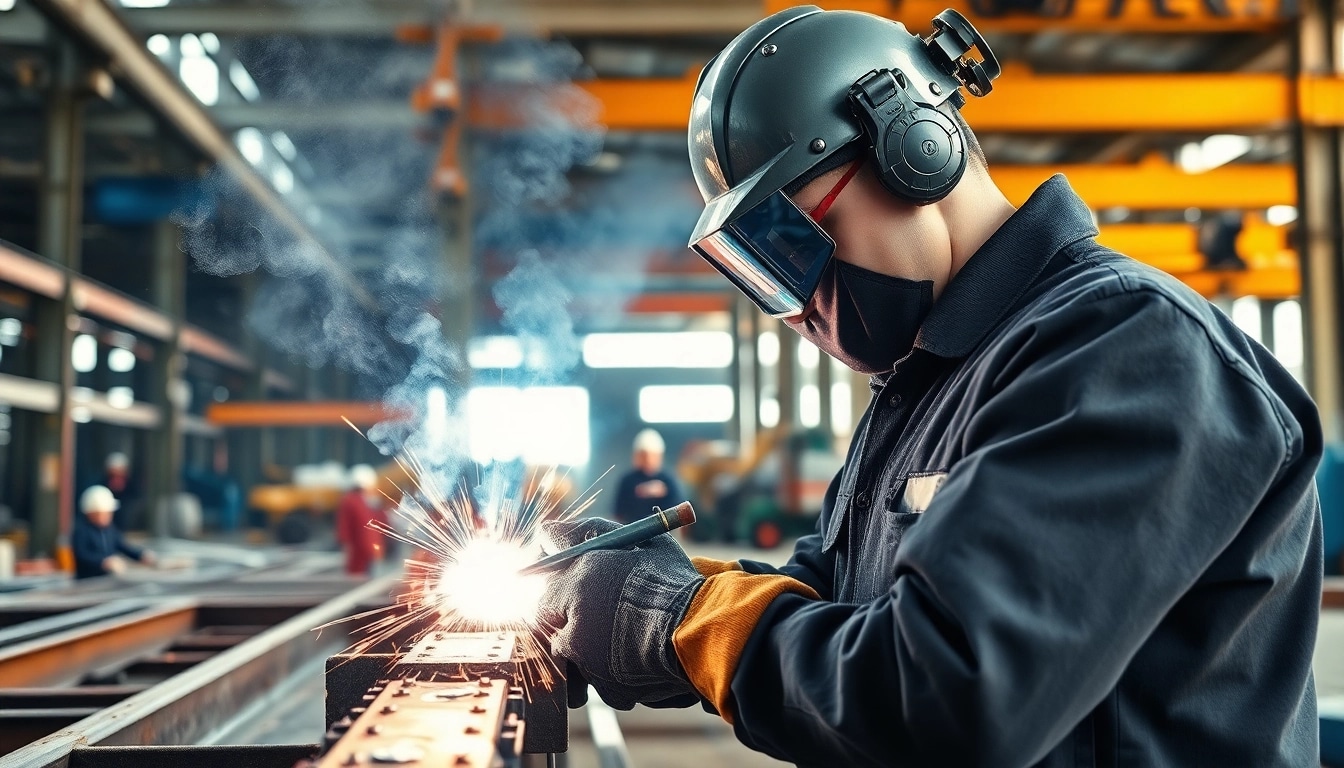
- Safety Gear: Investing in high-quality personal protective equipment is non-negotiable to ensure the safety of welders during operation.
Well-maintained equipment can significantly improve the outcome of the welding process and reduce the rate of defects.
Best Practices to Enhance Welding Performance
To maximize welding performance, practitioners should adhere to the following best practices:
- Preparation: Properly clean and prepare surfaces to ensure strong welds. Remove any contaminants or oxidation that could affect joining.
- Parameter Settings: Adjust welding parameters such as voltage, amperage, and feed speed based on material type and thickness.
- Practice: Continuous skill refinement through practice and training ensures welders can adapt techniques based on the welding situation.
- Inspections: Regularly inspect welds and equipment, adhering to quality standards and ensuring that any issues are addressed immediately.
By implementing these practices, welders can enhance their efficiency and the durability of their welds, supporting safe and robust constructions.
Safety Measures in Structural Steel Welding
Understanding the Risks Involved
Welding presents several inherent risks, including exposure to intense heat, harmful fumes, and UV radiation. Understanding these risks is paramount for ensuring a safe working environment. Additionally, potential hazards such as electric shock, fire, and injury from equipment must be actively addressed.
Welders must remain vigilant, adapting to their environments and recognizing when additional safety precautions are necessary. Proper training and awareness are critical components of effective risk management in welding operations.
Personal Protective Equipment and Gear
Investing in suitable personal protective equipment (PPE) can greatly enhance welder safety during structural steel welding. Essential PPE includes:
- Welding Helmets: Equipped with auto-darkening filters to protect the eyes and face from the bright arc.
- Gloves: Heat-resistant gloves that offer protection while maintaining dexterity.
- Protective Clothing: Fire-resistant garments prevent burns and shield against hot metal spatter.
- Respirators: Essential for protecting against hazardous fumes and gases generated during welding.
Regular inspections of gear and adherence to PPE protocols significantly reduce the risk of accidents and injuries.
Workplace Safety Protocols and Regulations
Adhering to established safety protocols and regulations is essential in fostering a safe work environment. Key standards include:
- OSHA Standards: The Occupational Safety and Health Administration (OSHA) outlines safety guidelines that must be followed in workplaces.
- Safety Training: Comprehensive safety training programs should be mandated for all employees engaging in welding.
- Emergency Procedures: Establish clear communication and procedures for emergencies, ensuring all workers are familiar with exits and first-aid protocols.
By reinforcing these protocols, companies can create a safer environment for their welding teams, minimizing risks while promoting productivity.
Training and Certification in Structural Steel Welding
Importance of Professional Training
Professional training in structural steel welding is essential for ensuring that welders possess the necessary skills and knowledge to perform their jobs effectively. Comprehensive training programs provide a foundation in welding techniques, material properties, and safety practices.
Furthermore, ongoing training ensures welders stay updated with the latest technological advances and techniques, allowing them to maintain a competitive edge in the industry.
Available Certifications for Welders
Obtaining certification is a crucial step in enhancing a welder’s credibility and employability. Various organizations offer recognized certifications, such as:
- American Welding Society (AWS): Offering various certifications validated by a stringent assessment process.
- National Center for Construction Education and Research (NCCER): A comprehensive certification program focused on skill-based training and metrics.
- International Institute of Welding (IIW): Standardized international certifications for welding professionals around the globe.
These certifications demonstrate a welder's commitment to quality and professionalism, serving as an important factor for employers when hiring skilled personnel.
Continuing Education for Advanced Techniques
As the field of welding evolves, it becomes increasingly important for professionals to engage in continuing education. This includes workshops, seminars, and online courses focused on emerging technology and advanced techniques, enhancing both knowledge and skill sets.
Being proactive in seeking further education opportunities can lead to career advancement and greater job satisfaction, ultimately benefiting both the individual and their employer.
Future Trends in Structural Steel Welding
Technological Advances in Welding Equipment
The advancement of welding technology is a rapidly evolving field, with innovations transforming traditional practices. Emerging welding equipment now incorporates automation, artificial intelligence, and enhanced precision features, allowing for improved efficiency and quality in structural steel welding.
These technologies promise not only to streamline operations but to enhance predictability in welding outcomes, reducing human error and increasing safety in the workplace.
Sustainability Practices in Welding Processes
As industries move towards more sustainable practices, structural steel welding is not left behind. The focus is now shifting toward processes that minimize waste and energy consumption. Sustainable welding practices involve using eco-friendly materials, reducing emissions, and developing energy-efficient techniques.
Companies that adopt these sustainable practices are not only meeting regulatory requirements but positioning themselves as leaders in responsible manufacturing, appealing to environmentally conscious clients and stakeholders.
Innovations Shaping the Future of Structural Welding
Innovations such as robotics and advanced manufacturing processes are set to shape the future of structural steel welding. Robotics enhances precision, consistency, and speed, enabling complex designs without sacrificing quality. Additionally, advanced manufacturing methods, such as additive manufacturing and digital twin technologies, are creating collaborative environments between design and fabrication, driving efficiencies in project delivery.
As the welding industry pivots to embrace these innovations, it is crucial for professionals to stay informed and adapt to remain competitive and relevant in the market.