Understanding Structural Steel Welding Basics
Structural steel welding is a fundamental practice in the construction and manufacturing industries, serving as the backbone for creating sturdy and reliable structures. This process involves the joining of various steel components, ensuring they can withstand the stresses and strains of their intended applications. Understanding the fundamentals of structural steel welding not only helps in selecting the right equipment and techniques but also ensures that the final products meet safety and quality standards. Whether you’re a seasoned professional or newly exploring the field, acquiring a solid grasp on welding basics is essential for success. For comprehensive guidance, refer to our exploration of structural steel welding.
What is Structural Steel Welding?
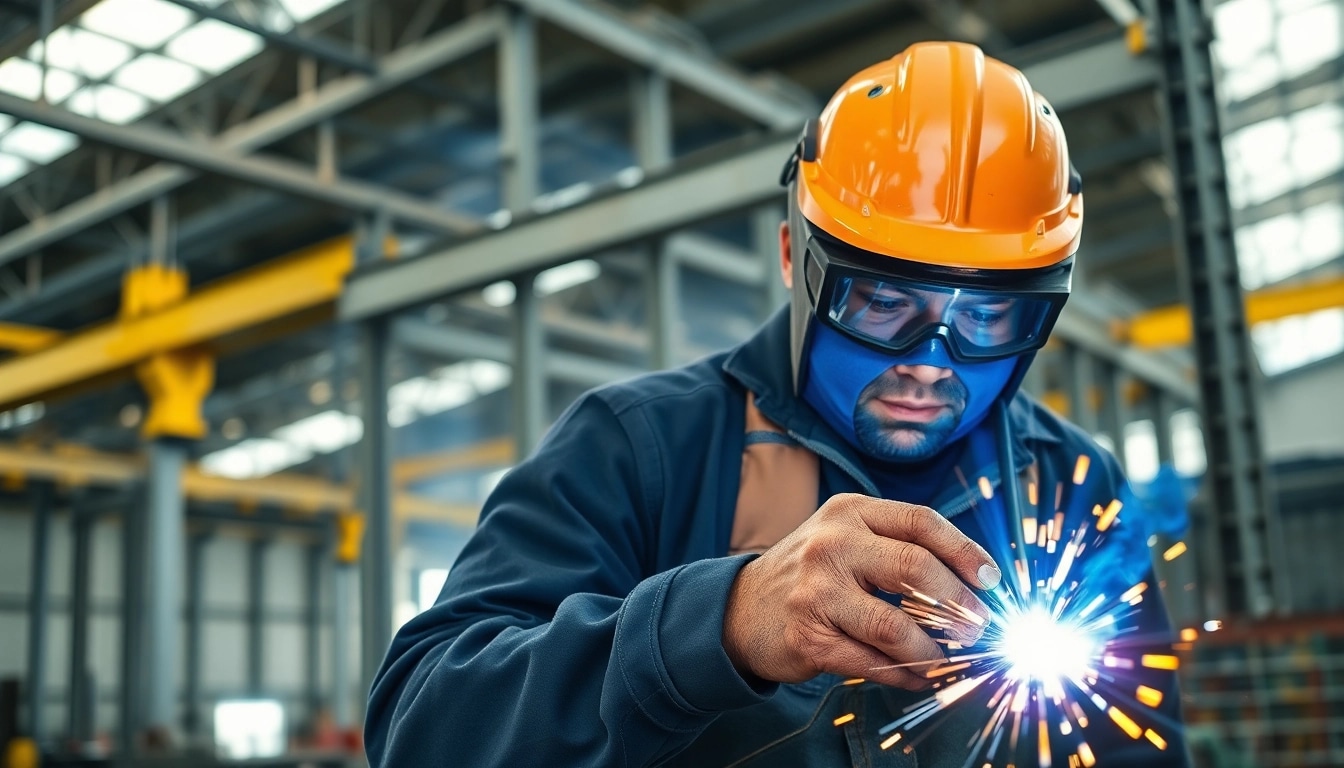
Structural steel welding refers to the process of fusing steel components to form a permanent bond. This technique is critical in building frameworks for commercial, residential, and industrial constructions, as well as in manufacturing heavy machinery and equipment. The primary objective of welding in structural applications is to create strong joints that can bear loads and resist environmental factors, ensuring the longevity and durability of the structures.
Welds can be categorized into various types, including fillet welds, groove welds, and plug welds, each serving different structural purposes. The choice of weld type often depends on the specific application, the materials being welded, and the required strength of the joints.
Key Materials and Equipment Used
The materials and equipment involved in structural steel welding play a pivotal role in the quality of the final product. Key materials include:
- Welding Rods and Filler Materials: These materials are used to provide additional metal to the weld joint, ensuring a strong bond.
- Welding Gases: Depending on the welding process, various gases may be required, such as argon, carbon dioxide, and oxygen, each serving unique purposes during the weld process.
- Protective Gear: Essential for the safety of welders, gear includes helmets, gloves, and fire-resistant clothing.
As for equipment, key tools include:
- Welding Machines: Various types of welding machines, including MIG, TIG, and stick welders, each suited for different welding techniques.
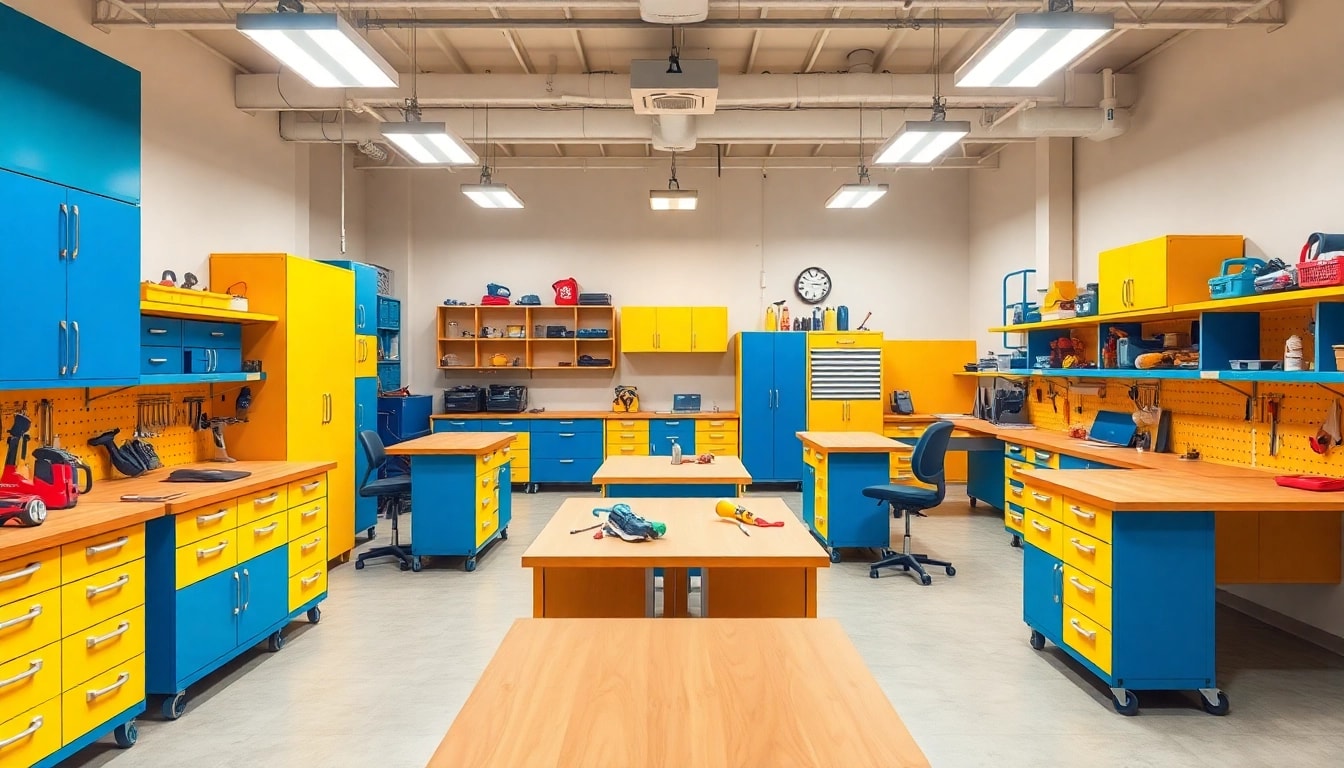
- Workbenches and Clamps: Tools that help secure the steel components during the welding process, ensuring accuracy and safety.
- Cylinders for Welding Gases: Containers that hold the gases necessary for specific welding processes, crucial for safety and efficiency.
Safety Protocols in Welding
Safety is a paramount concern in structural steel welding due to the inherent risks associated with the process, including burns, electrical shocks, and exposure to hazardous fumes. Adhering to safety protocols can significantly reduce these risks:
- Personal Protective Equipment (PPE): Welders should always wear appropriate PPE, including safety helmets with face shields, gloves, and protective clothing, to mitigate burn risks and exposure to harmful elements.
- Ventilation: Proper ventilation must be established in the workspace to disperse harmful fumes and gases generated during welding.
- Fire Safety Measures: Keeping fire extinguishers accessible and ensuring that flammable materials are kept away from the welding area can help prevent accidents.
Common Techniques in Structural Steel Welding
Understanding the various welding techniques available is crucial for achieving desired results in structural steel welding. Each method has its advantages and is suited to specific applications based on the materials and environmental conditions involved.
MIG vs. TIG Welding: What You Need to Know
MIG (Metal Inert Gas) and TIG (Tungsten Inert Gas) welding are two of the most commonly used welding techniques in structural applications. They differ in their processes and outcomes:
- MIG Welding: MIG welding is known for its speed and efficiency, making it ideal for thick steel structures. It utilizes a continuous feeding wire that melts and creates a weld as it contacts the steel. This technique is user-friendly and often preferred for large scale projects.
- TIG Welding: TIG welding provides greater precision and control, making it suitable for thinner materials where high quality welds are necessary. It requires advanced skills and is often used in industries requiring strict quality standards.
While MIG welding is advantageous for speed, TIG welding excels in yielding high-quality joins. Choosing between the two will depend on the specific requirements of the project.
Stick Welding for Heavy Steel Fabrication
Stick welding, or Shielded Metal Arc Welding (SMAW), involves several processes where a flux-coated electrode is used to create the weld. This technique is often favored for initiatives requiring the welding of thicker steel sections due to:
- Versatility: Stick welding can be performed in various positions, making it suitable for heavy fabrication in diverse work environments.
- Cost Efficiency: With lower equipment costs and minimal consumables, it is an economical choice for many projects.
- Effectiveness in Outdoor Conditions: This method is less affected by wind and other environmental conditions compared to MIG and TIG welding.
Choosing the Right Technique for Your Project
The decision on which welding technique to utilize should be informed by factors including:
- Material Thickness: Thicker materials typically require MIG or stick welding for strength, while thinner materials benefit from TIG welding.
- Required Aesthetics: In projects where appearance matters, TIG welding is often preferred due to its clean finish.
- Working Environment: For outdoor projects, stick welding might be more reliable, while indoor or controlled environments offer flexibility for using MIG or TIG.
By thoroughly assessing these factors, welders can optimize the welding process to achieve quality results efficiently.
Addressing Common Challenges in Structural Steel Welding
Welders often face challenges during the welding process that can affect the quality of the final product. Identifying and mitigating these issues is crucial for maintaining standards and ensuring safety.
Identifying and Mitigating Welding Defects
Welding defects such as cracks, slag inclusions, and undercuts can compromise the structural integrity of welds. Common steps to mitigate these issues include:
- Inspection and Testing: Regular inspections using methods such as visual checks, ultrasonic testing, and x-ray can help identify defects early.
- Proper Preparation: Ensuring that workpieces are clean, dry, and properly fitted before welding can minimize the likelihood of defects.
- Skill Development: Investing in continuous training for welders to master techniques and understand potential issues can significantly reduce the occurrence of defects.
Working in Different Environmental Conditions
Welders must also contend with varying environmental conditions that can affect the quality of their welds. Common adaptations include:
- Temperature Control: In cold environments, preheating steel can prevent cracking, while in hot conditions, controlling the heat input is crucial to avoid warping.
- Wind Barriers: Setting up windbreaks can help prevent interference in processes such as MIG welding where shielding gases may be disrupted.
Health Risks and Proper Safety Measures
Welding poses significant health risks, including respiratory issues from inhaling welding fumes and risks of burns and injuries from equipment. Essential measures for managing health and safety include:
- Regular Health Screenings: Welders should undergo periodic health evaluations to monitor potential respiratory and other health issues.
- Workplace Ergonomics: Implementing ergonomic practices can mitigate fatigue and musculoskeletal disorders.
- Training and Safety Drills: Conducting regular training sessions on safety protocols ensures that all welders are prepared to respond effectively to emergencies.
Best Practices for Efficient Steel Welding Operations
Maximizing efficiency in structural steel welding not only enhances productivity but also fosters a safer and more organized working environment. Implementing best practices can significantly influence the outcomes of welding operations.
Preparation and Layout for Optimal Results
A well-structured workspace can streamline welding operations. Key preparation steps include:
- Pre-Welding Checks: Conducting equipment and material checks before beginning any welding operation ensures that everything is in optimal condition.
- Arrangement of Workstations: Organizing equipment and materials logically helps minimize movement and allows for a smooth workflow.
- Detailed Work Plans: Outlining tasks and processes ensures that each step is well understood, reducing errors and improving efficiency throughout the welding process.
Time Management Strategies in the Workshop
Effective time management can significantly enhance productivity. Strategies for better time utilization include:
- Task Delegation: Assigning roles based on skill sets ensures tasks are completed efficiently, promoting accountability.
- Utilizing a Checklist: Maintaining a checklist for each project can help keep track of progress and deadlines without oversight.
Post-Weld Inspection and Quality Control
The quality of welds should be confirmed through rigorous post-weld inspections. Key strategies include:
- Documentation of Welding Procedures: Maintaining meticulous records of the welding process helps in tracing defects and evaluating performance metrics.
- Routine Audits: Conducting periodic quality control audits can help identify areas for improvement and reinforce standards.
Measuring Performance and Success in Steel Welding Projects
Assessing the success of structural steel welding projects is essential for continuous improvement and ensuring that outcomes align with industry standards.
Key Performance Indicators (KPIs) in Welding
Monitoring specific KPIs can help gauge the efficiency and effectiveness of welding operations. Common KPIs include:
- Defect Rates: Tracking the number of defects in welds can provide insight into the quality of welding processes.
- Time to Completion: Measuring the duration taken to complete welding projects helps in evaluating time management and efficiency.
- Material Usage Efficiency: Analyzing how effectively materials are used can reveal opportunities for cost savings and waste reduction.
Using Feedback for Continuous Improvement
Feedback from clients, team members, and inspections can be invaluable for enhancing welding processes. Steps to integrate feedback include:
- Encouraging Open Communication: Cultivating a culture of transparency fosters valuable discussions on improving practices and resolving issues.
- Implementing Changes: Acting on feedback promptly can enhance workflows and increase overall project quality.
Case Studies: Success Stories in Structural Steel Welding
Examining real-world case studies can provide insights into effective practices and successful outcomes. For instance, a construction company may have adopted a combination of MIG and TIG welding techniques for a large-scale project, resulting in reduced completion times and minimized defects. These tangible examples help validate the efficacy of best practices while offering a roadmap for others in the field.