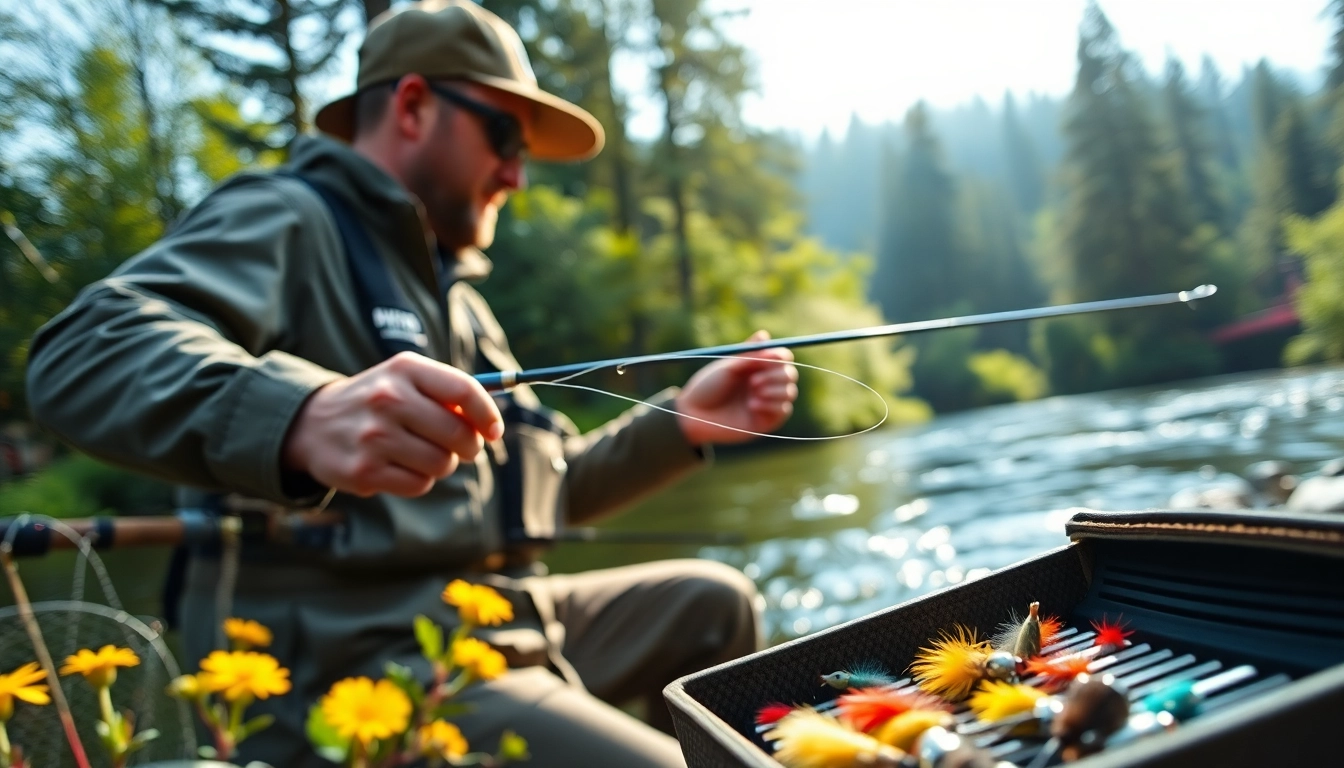
Understanding Fly Fishing Tippet Basics
What is Fly Fishing Tippet?
In the realm of fly fishing, the fly fishing tippet serves as a crucial connection between your fly and the leader line. It is a fine monofilament or fluorocarbon line that is attached to the end of the leader. Typically thinner than the leader, the tippet is vital for presenting flies delicately to the fish without startling them. Understanding its role is fundamental for any angler seeking success on the water.
Why Tippet Selection Matters
The selection of tippet is more than merely picking a line; it significantly impacts your fishing success. It is the last line of defense before your fly, playing a crucial role in achieving the right presentation, ensuring that the fish doesn't easily see or escape the fishing line. Choosing the appropriate tippet can mean the difference between a fruitful day of fishing and coming home empty-handed. Further, the right choice can affect the drift of your fly, the visibility of your setup, and the overall natural presentation that intrigues fish.
Types of Tippet Material
Fly fishing tippets come primarily in two materials: monofilament and fluorocarbon. Monofilament tippets are pliable, float well, and are usually less expensive. However, this type tends to absorb water over time, leading to a reduction in strength. Conversely, fluorocarbon is nearly invisible underwater, has superior abrasion resistance, and sinks quickly, making it ideal for various conditions. Understanding the advantages of each material type is essential for making informed decisions based on fishing environment and target species.
Choosing the Right Fly Fishing Tippet
Assessing Line Strength and Diameter
The strength of a tippet, often measured in pounds, is critical for ensuring you can land your catch without breakage. The general rule of thumb is matching the tippet strength to the size and weight of the fish you're targeting. In addition to strength, line diameter also plays a vital role. A thinner diameter offers less visibility in clear waters, but too thin can risk breaking during a fight. The balance between strength and diameter is essential for optimal fishing performance.
Matching Tippet to Fly Size
Matching your tippet size to your fly size is crucial for achieving a natural presentation. Generally, the tippet should be 1-2 sizes smaller than the fly. For example, if using a size 14 fly, a tippet of 4X or 5X is suitable. This helps to ensure that your fly behaves realistically, mimicking the natural insects or baitfish you are trying to imitate. Consistency in size correlation enhances your chances of attracting fish and improving your catch rate.
Environmental Considerations
Different environments warrant different tippet choices. In clear waters, a finer, more invisible tippet material is advantageous, while in murky waters, a slightly thicker tippet may be appropriate to help resist the abrasion of underwater obstacles. Additionally, factors such as water temperature and current speed can affect how fish react to your presentation. Adapting your tippet choice to environmental conditions allows for a tailored approach that optimizes success.
Techniques for Tippet Connection
Effective Knot Tying Methods
Knot tying is a fundamental skill every angler must master, especially when connecting tippet to leader or fly. Some popular knots include the Double Surgeon’s Knot, which provides a strong connection with minimal bulk, and the Improved Clinch Knot, favored for attaching flies. Ensuring that knots are tied correctly reduces the chances of breakage and increases overall fishing efficiency. Practice these knots until you can tie them with confidence, as proper knots can substantially affect your fishing success.
Tools for Tippet Connection
Though primarily a hand-tying endeavor, having the right tools can enhance your tippet connection process. Scissors or line cutters are essential for trimming excess line after tying knots. Forceps are beneficial for making adjustments while on the water, allowing you to handle flies without damage. Moreover, a tippet spool holder keeps your tippet organized and tangle-free, helping you maintain focus and efficiency while fishing. Utilizing the right tools can streamline your processes considerably.
Common Mistakes to Avoid
Even seasoned anglers can make errors when using tippet. Common mistakes include using tippet that is too heavy for the fly, tying poor knots that weaken the connection, or failing to replace worn tippets. Additionally, not re-evaluating tippet choice based on changing environmental conditions is a frequent oversight. By being aware of these pitfalls and making thoughtful adjustments, anglers can improve their effectiveness on the water and increase their chances of landing fish.
Advanced Strategies for Tippet Usage
Optimizing Tippet for Different Conditions
Successful anglers know that optimizing tippet for varied conditions is key. In windy conditions, consider using stronger tippets to resist the effects of the wind on your fly. Conversely, in calm and clear water, a lighter tippet that blends seamlessly into the surroundings works best. Additionally, during diverse seasons, adjust your tippet choice to match the behavior of fish and their feeding patterns. Forecasting conditions and strategizing your tippet usage accordingly can drastically increase success rates.
Using Tippet for Stealth Approaches
Stealth is a vital aspect of fly fishing, especially in pressured waters. Using fine, low-visibility tippet enhances presentation and reduces spooking fish. Employing techniques such as drag-free drifts, which involve the careful control of line to avoid unnatural movements, is paramount when applying tippet. Integrating stealth approaches allows anglers to blend into their environment, increasing the chances of enticing fish. Mastering these techniques further sharpens your skills in the field.
Performance Improvements and Metrics
To truly excel in fly fishing, it's essential to assess your performance regularly. Keeping logs of fishing sessions that detail the tippet used, conditions, and catches can reveal valuable insights. Analyzing which tippet setups yield the best results helps tailor future sessions and improve effectiveness. Striving for continuous improvement through tracking metrics allows for a data-driven approach that significantly benefits fishing performance over time.
FAQs About Fly Fishing Tippet
How do I know which tippet to use?
Select tippet based on the fish species target, water clarity, and fly size. A good rule is to keep the tippet size 1-2 sizes smaller than the fly.
Can I use a leader instead of tippet?
While a leader can potentially serve in a pinch, a dedicated tippet provides better presentation and is less visible to fish.
Is tippet material always fluorocarbon?
No, tippets can be made from monofilament or fluorocarbon. Each has distinct advantages, with fluorocarbon being less visible underwater and more abrasion-resistant.
What tippet size is best for trout fishing?
For trout fishing, tippet sizes ranging from 5X to 7X are typically recommended, depending on the conditions and fly size.
How often should I replace my fly fishing tippet?
As a rule, replace your tippet after significant usage, catching a fish, or if you notice visible wear, to ensure reliability during fishing.